
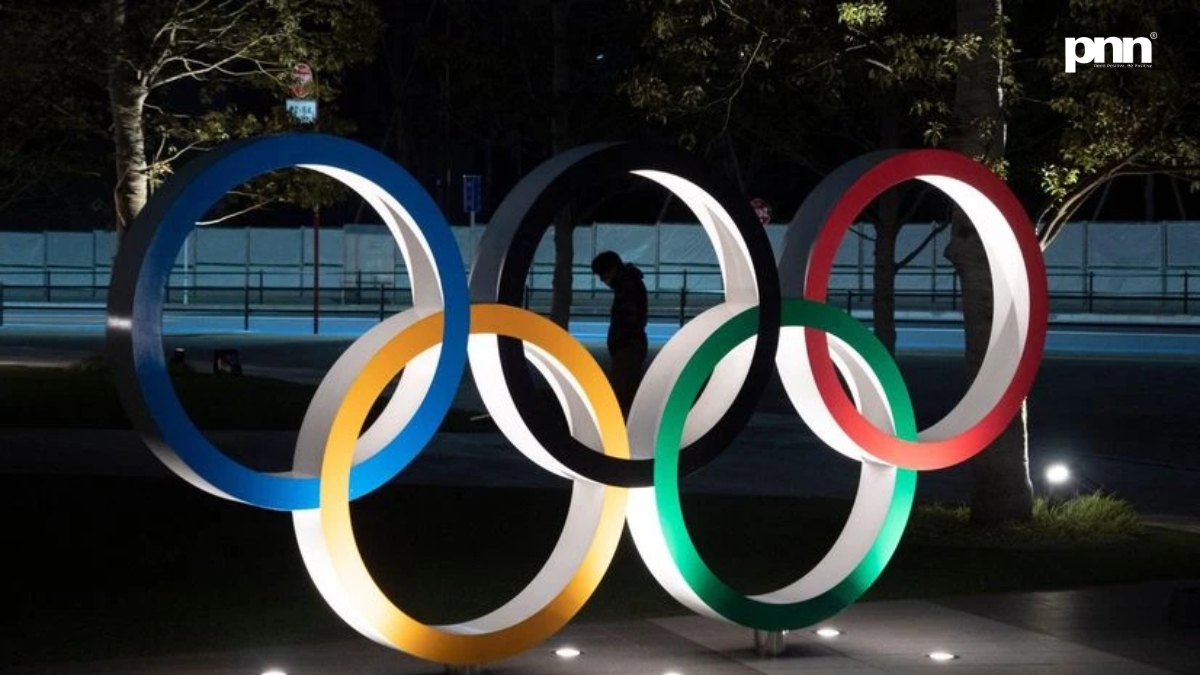
New Delhi [India], January 5: If you were looking for an announcement that sounds like it came out of a Tony Stark tech reveal, but with cricket whites instead of armour, you found it. On Sunday, Prime Minister Narendra Modi said India is preparing with full strength to host the 2036 Olympic Games — and he didn’t just speak the words, he backed them up with a sports strategy that reads like a master class on momentum.
Speaking at the opening of the 72nd Senior National Volleyball Championship in Varanasi, Modi didn’t waste time on clichés. He laid it out bluntly: India is grooming itself not just to host big sporting events, but to own them. From Ahmedabad’s Commonwealth Games in 2030 to the ultimate global stage in 2036, the roadmap is clear.
But let’s break this down in a way that even your neighbour who thinks volleyball is just a beach sport can appreciate.
The Reality Check: Mega Events Aren’t an Afterthought
Every ambitious plan starts with credibility. And India’s isn’t vaporware. Over the last decade, the country has hosted more than 20 major international events — the U-17 FIFA World Cup, the Hockey World Cup, elite chess championships, and more. And that’s not counting the countless international meets that tested infrastructure, nerves, and crowd control.
That track record tells the world this isn’t India’s first rodeo.
Hosting isn’t just about big stadium lights. It’s about logistics, athlete support, global coordination, elite facilities, seamless media handling, and logistical excellence. India’s resume just got heavier.
And make no mistake, this wasn’t a casual aside. It was a statement delivered with the kind of confidence you’d expect from someone used to turning policy into headlines.
Volleyball as Metaphor, Victory as Reality
Only Modi — or perhaps a Netflix character with the confidence of Harvey Specter — could walk into a volleyball hall and turn a team sport into a national strategy metaphor.
He said:
“Volleyball teaches us that no victory is achieved alone. Our success depends on our coordination, our trust, and our team’s readiness.”
That’s not fluff. That’s strategy. Think about it. The Olympics are literally the ultimate team sport: nations compete, ministers coordinate, cities build, and billions watch. India isn’t preparing alone; it’s aligning ministries, sports bodies, city planners, and youth talent programs.
In other words, this isn’t just about hosting a games gala — it’s about syncing an entire nation’s sports psyche.
India Preparing With Full Strength: Policies and Infrastructure
Now let’s talk nuts and bolts. Behind that confident posture are actual policies and frameworks aimed at building the future of Indian sport:
-
Khelo India — A nationwide drive to turn potential into medals, not just participation.
-
Target Olympic Podium Scheme (TOP) — Money and support where it matters most: elite athletes aiming for the top.
-
National Sports Governance Act — More transparency, better accountability, world-class standards.
-
Khelo Bharat Policy 2025 — A fresh blueprint to unify grassroots strength with national ambition.
This is not buzzword bingo. This is a playbook in motion.
The fact that the National Volleyball Championship in Varanasi features over 1,000 players from 58 teams isn’t a footnote. It’s a showcase of India’s domestic competitive muscle — precisely the sort of foundation you want before waving the Olympic torch.
Varanasi: From Ghats to Global Games
If you’ve only ever thought of Varanasi as a spiritual city, it’s time for an upgrade. The same town that draws millions of pilgrims every year, and recently set records for visitors entering holy sites, is now making a name in sports, too.
The Prime Minister highlighted Varanasi’s emerging identity as a hub for sports and mega events. Modernised stadiums, newly developed sports complexes, and the recent hosting of major gatherings play into a broader strategy of greater national relevance.
In one sense, it’s a cultural recalibration. In another, it’s a strategic claim: Varanasi isn’t just a heritage city. It’s a node in India’s future sporting grid.
Why “Full Strength” Matters
World bodies don’t hand out global events because a nation says it wants them. They look for readiness. They look for infrastructure. They look for confidence backed by action.
When India says it’s preparing with full strength, it means:
-
Robust training pipelines
-
Strong administrative support
-
Proven event experience
-
Growing domestic enthusiasm for competitive sport
There’s no room for half-measures. And that’s precisely why the phrasing matters.
What This Means for Indian Athletes
Here’s where the rhetoric meets reality.
For decades, Indian athletes have leaned on grit. Now they’re getting more than that. They’re getting structure. Funding. World-class exposure. And a reason to aim higher.
From wrestling mats to football pitches, shooters to swimmers, India preparing with full strength sends a message:
We’re not just participating anymore. We’re planning to perform.
Indian Olympic Association (IOA)
https://olympic.ind.in
PNN News
 English